
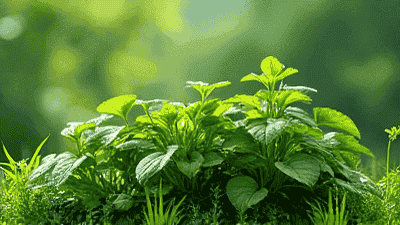
In the journey toward sustainable living, one of the most rewarding and environmentally friendly practices you can adopt is growing your own herbs. An eco-friendly herb garden not only provides fresh and flavorful ingredients for your kitchen but also promotes biodiversity, supports pollinators, and encourages responsible gardening practices.

In the modern world, sustainable living is more important than ever, and as homeowners, we have the power to make significant changes to reduce our carbon footprint. One of the most effective ways to contribute to this movement is through energy saving home improvements. These upgrades not only help protect the environment but also result in substantial financial savings on energy bills.

In a world increasingly aware of environmental issues, sustainable living practices are more crucial than ever before. Among these practices, composting stands out as a simple yet impactful method to reduce waste and improve soil health. This guide will help you navigate the journey of composting kitchen waste and transforming it into nutrient-rich compost, which serves as a valuable resource for your garden.
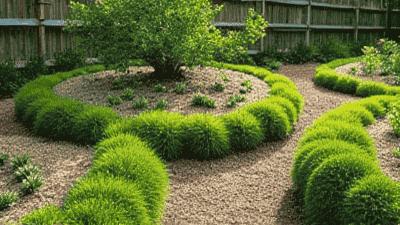
In an era marked by the detrimental effects of climate change, water scarcity has become an increasingly pressing concern. Regions around the world are experiencing prolonged droughts, leading to a greater need for sustainable water management practices in landscaping and gardening. Xeriscaping is an innovative approach that emphasizes the use of drought-resistant plants and efficient irrigation methods to create beautiful, low-maintenance, and water-efficient gardens.
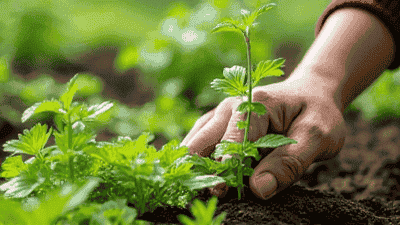
In an age of modern conveniences and synthetic solutions, many people are rediscovering the timeless practice of organic gardening. Organic gardening is a holistic approach to growing plants that enhances health and well-being by emphasizing natural methods over synthetic chemicals.